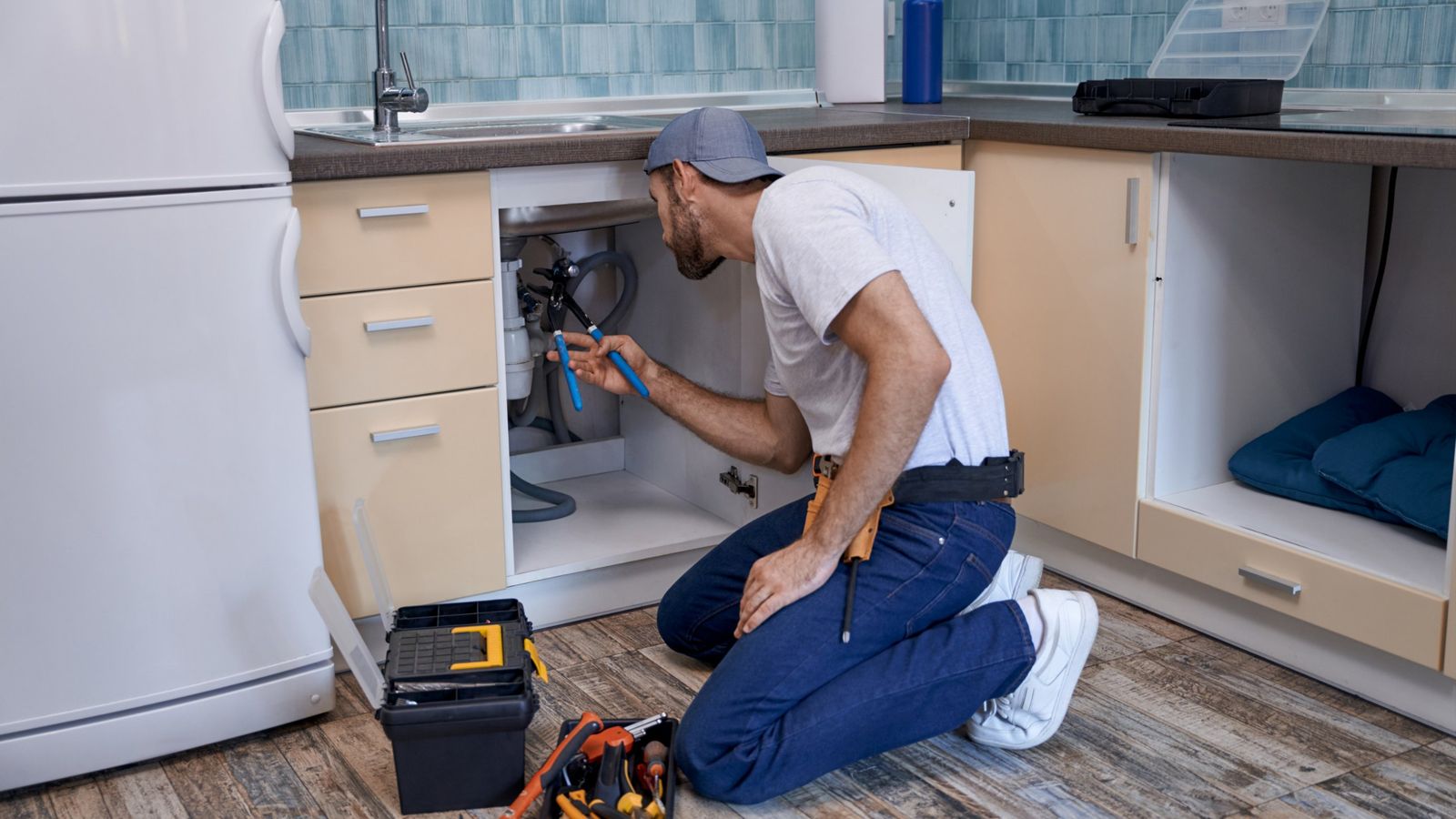
Water where it shouldn't be? Here is what to do right now.
Clear, calm steps for burst pipes, overflowing toilets, sewer backups and leaking water heaters, plus what emergency plumbers charge and how to choose one at 2 a.m.
Stop the water
Close the shut-off valve at the fixture, or the main water valve if you cannot find one or the leak is in a pipe.
Make it safe
Keep away from water near outlets and appliances. Shut off power at the breaker only if you can reach it without standing in water.
Limit the damage
Open faucets to drain the lines, move valuables, mop up and take photos for your insurer.
Call a plumber
Use a licensed, insured plumber. Ask about the call-out fee and after-hours rate before they set off.
Is it an emergency, or can it wait?
Emergency rates are higher, so it helps to know which problems really cannot wait until morning.
Call now
- A burst or split pipe, or any leak you cannot stop
- Water coming through a ceiling or reaching electrics
- Sewage backing up into sinks, tubs or floor drains
- No water at all and your neighbors have water
- A water heater leaking from the tank itself
- Your only toilet blocked and overflowing
Usually can wait
- A dripping faucet or slow-running toilet
- One slow drain when others work fine
- A small leak you have stopped by closing a valve
- Low water pressure at a single fixture
- No hot water, if you have shut off the heater safely
- A blocked toilet when you have a second one
Guides
Everything you need when the plumbing goes wrong, in plain English.
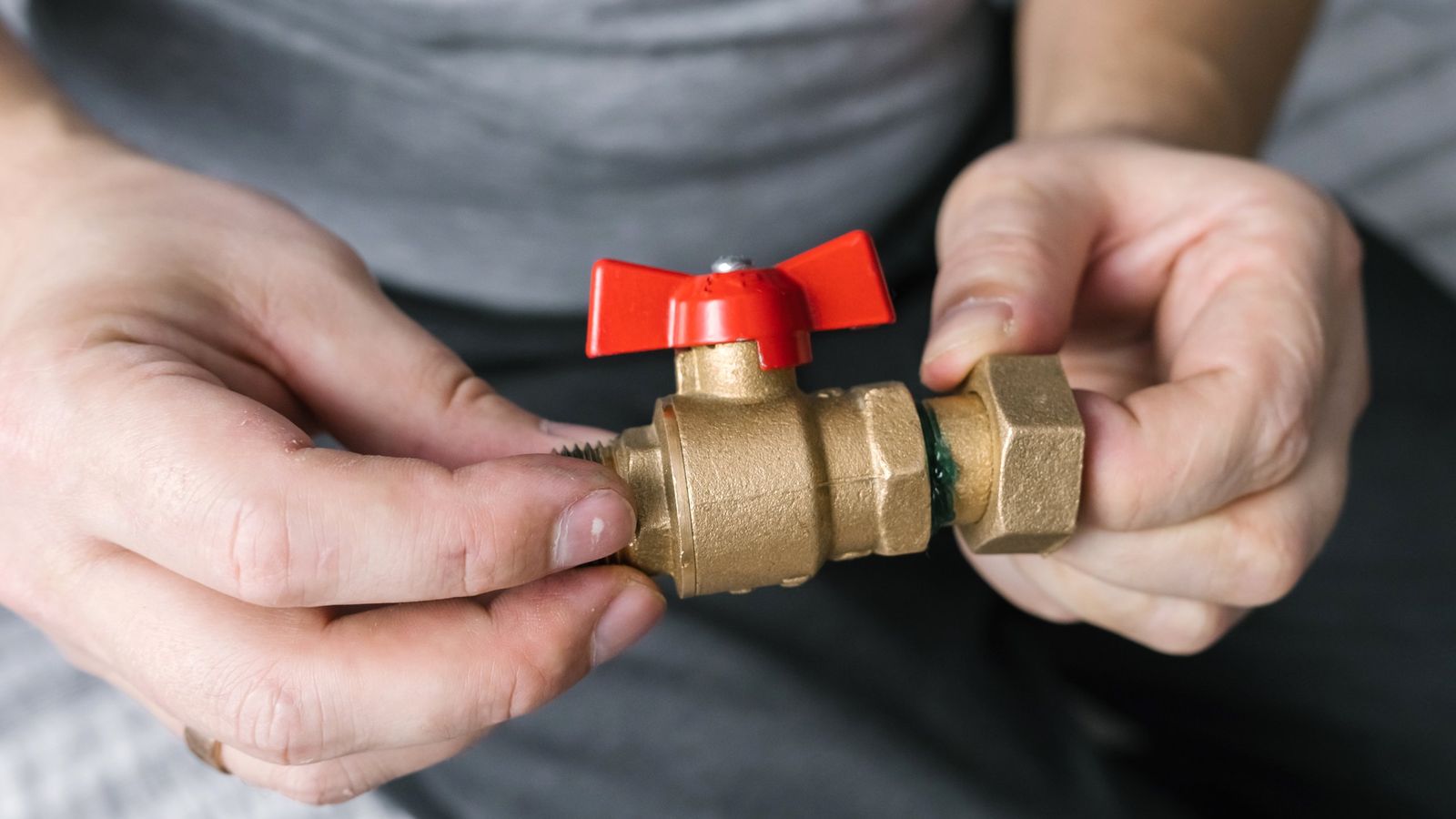
What to do in a plumbing emergency
Step by step, from finding the shut-off valve to calling for help.
Read the guide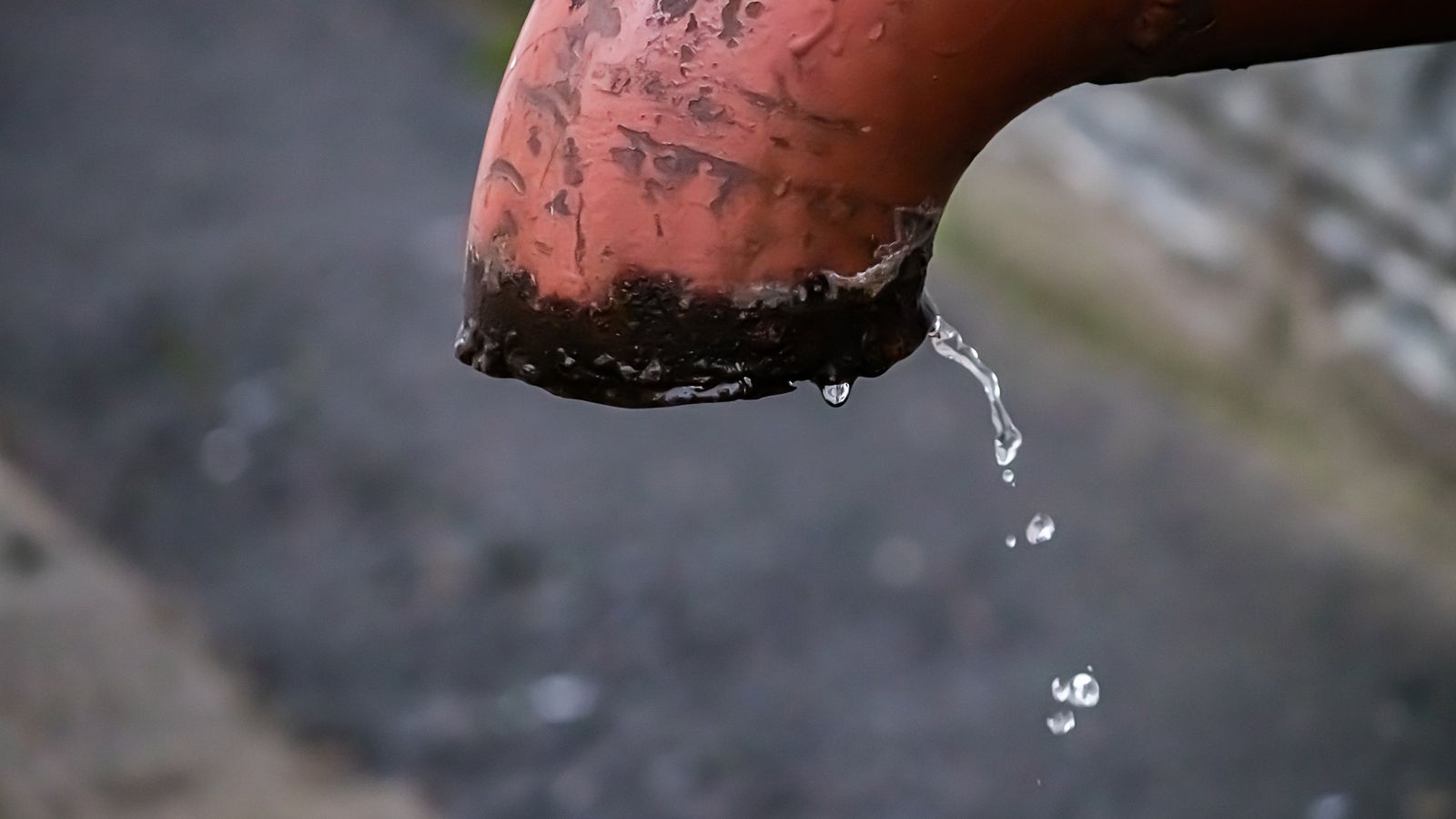
Common plumbing emergencies
Burst pipes, sewer backups, water heater leaks and more, with what to do for each.
Read the guide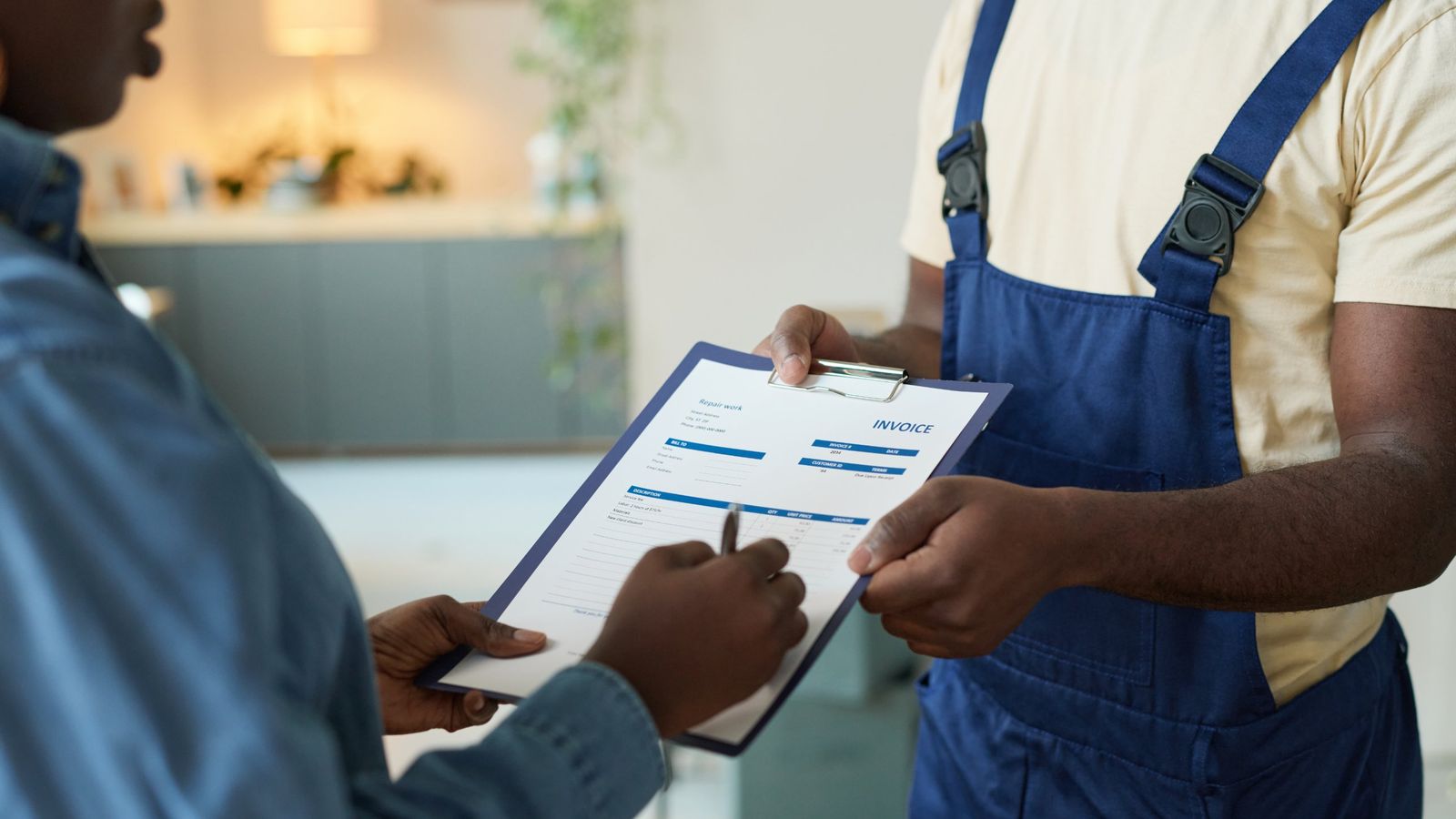
How much does an emergency plumber cost?
Typical call-out fees, after-hours rates and ways to keep the bill down.
Read the guide
How to choose an emergency plumber
What to check and ask, even when you need someone fast.
Read the guideDo this today, before anything goes wrong
Two minutes now can save thousands later.
- Find your main water shut-off valve and check it turns
- Show everyone in the home where it is
- Save the number of a local licensed plumber in your phone
- Learn where the shut-off valves are for your toilets and water heater
Frequently asked questions
Is a leaking pipe an emergency?
It depends on how fast the water is coming out and whether you can stop it. A slow drip you can catch in a bucket can usually wait for a daytime appointment. A pipe spraying water, a leak you cannot stop, or water reaching electrics or ceilings is an emergency. Turn off the main water supply first, then decide.
Where is my main water shut-off valve?
In most homes it is where the water line enters the building: in a basement or crawl space, a utility or laundry room, under the kitchen sink, near the water heater, or in a garage. In warmer climates it may be outside near the foundation or in a box at the curb next to the water meter. Find it now, before you need it.
Are 24 hour plumbers more expensive?
Usually, yes. Evening calls often cost around one and a half times the normal rate, and weekends and holidays can run two to three times as much, plus a call-out fee. See our emergency plumber cost guide for typical numbers.
Should I call a plumber or my insurance company first?
Stop the water and make the home safe first, then call a plumber to fix the source. Take photos of the damage before cleanup if you can, and contact your insurer as soon as practical. Policies differ, so check what yours covers.
Who do I call if I smell gas?
Do not call a plumber first. Leave the building right away, without switching anything on or off, and call your gas company's emergency line or 911 from outside.